
What the Most Successful Sports Bettor in History Can Teach You About Scaling Your DTC Brand
My husband told me about Billy Walters a few weeks ago.
I'd never heard of him.
Turns out he's the most successful sports bettor in American history.
36 consecutive winning years.
Hundreds of millions in profit.
And he only won 57% of his bets.
Not 90. Not 80.
Fifty-seven percent.
But that 57% was earned differently than how everyone else gambles.

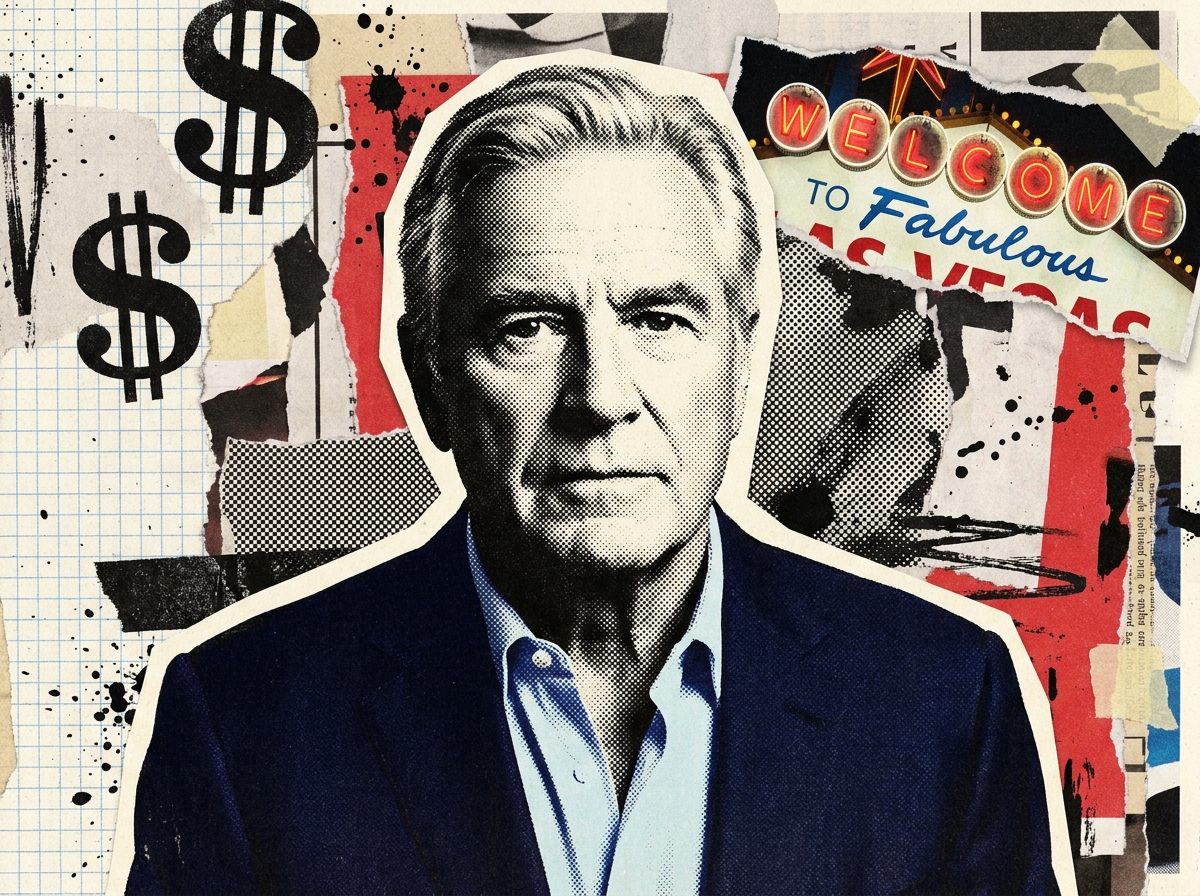
Walters spent millions building computer models. He hired entire research teams. He studied games so small and obscure that the bookmakers hadn't even bothered setting accurate lines.
He ran 1,700 different betting accounts just to make sure he was getting the best odds on every single wager.
While every other gambler walked into a sportsbook with a gut feeling and a favourite team...
Walters walked in with data on every variable that could move the outcome.
Same game. Same odds.
Completely different bet.
And that difference, just 7 points above break-even, applied with discipline across thousands of bets, compounded into a $200 million fortune.
I run a small agency that builds ads and landing pages for DTC brands.
And I haven't been able to stop thinking about Walters.
Because every day I look at brands spending $30K, $50K, $100K a month on paid traffic...
And they're gambling.
Not investing. Gambling.
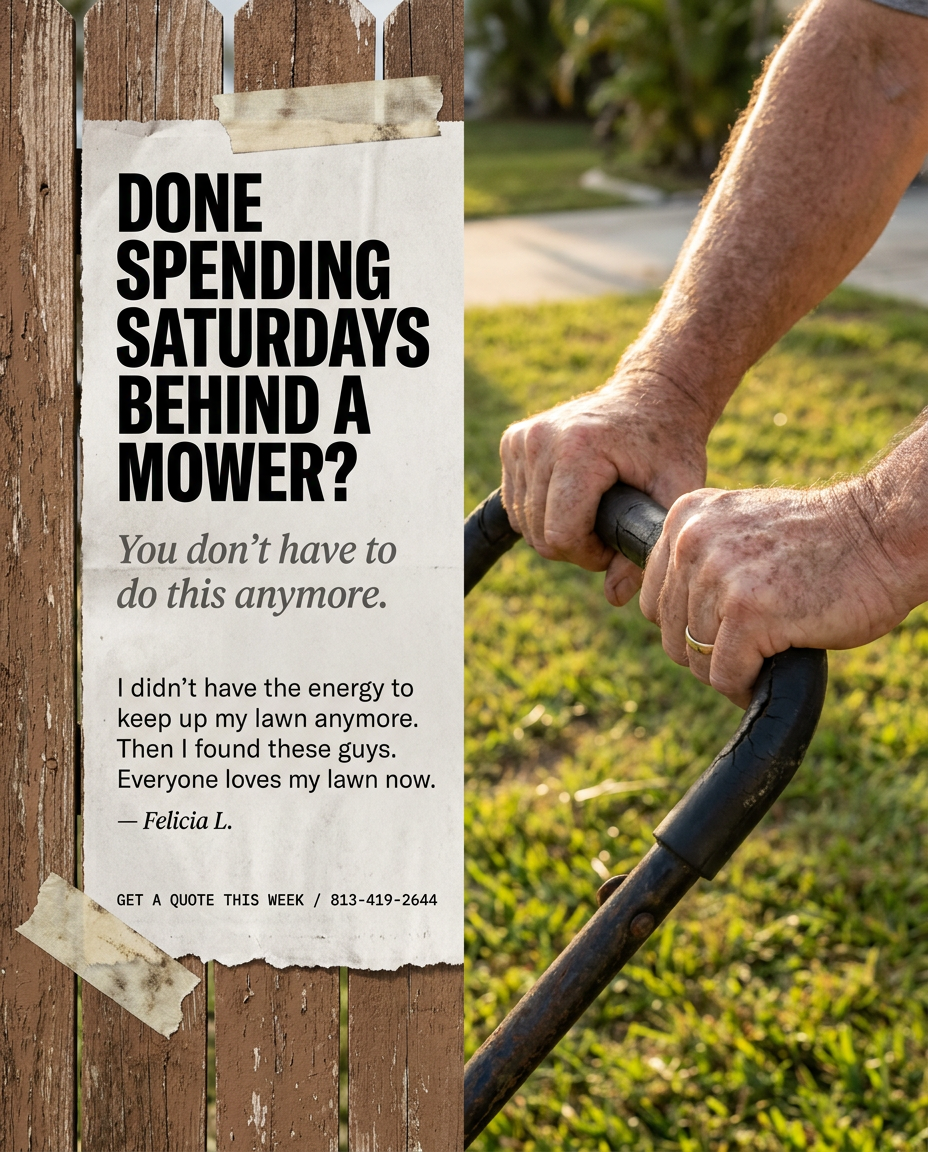
The hooks come from brainstorm sessions. Someone says “what if we try this angle?” and everyone nods and it goes into production.
The landing page is whatever Shopify gave them. Or a page someone built a year ago that “seems to work okay.”
The creative strategy is “make more stuff and see what sticks.”
The media buyer tests 40 ads a month. Two or three hit. The rest die. Nobody knows why the winners won. So next month, the cycle starts over.
That's the drunk tourist at the sportsbook putting $500 on his favourite team because they've been playing well lately.
And it costs a fortune.
.png)

If you're spending real money on ads, you know exactly what this feels like.
You find something that works. You start to scale. Two weeks later, it's dead.
So you make more. New hooks, new UGC, new angles. Maybe you hire a new editor. A new agency. A new freelancer who “gets DTC.”
Something hits again. You breathe. Then it dies again.
And you start to wonder if this is just how it works.
The creative treadmill. Run faster, make more, hope harder.
But here's the thing nobody in this industry wants to admit.
It's not a creative problem.
It's a psychology problem.
The reason your winning ad dies after two weeks isn't that the audience got bored.
It's that the ad worked by accident.
The hook happened to resonate with something your audience cares about. But nobody knew what that something was. Nobody had done the research to figure out why it worked.
So you couldn't build more ads around the same trigger.
You couldn't build a landing page that continued the same psychological thread.
And guesses have a shelf life of about two weeks.
The brands I've watched actually break through, the ones that go from treading water to scaling profitably, all figured out the same thing.
They stopped guessing at why people buy.
And they started finding out.
Here's what that looks like in practice.
You go into the places where your customers talk when they think nobody's marketing to them.
Amazon reviews. Reddit threads. Facebook group conversations. Support tickets. Trustpilot. YouTube comments.
You read hundreds of them. And you start to notice patterns.
The same phrase showing up over and over: the way people describe the moment they realized they had a problem.
The specific thing they'd already tried that didn't work.
The fear that almost stopped them from buying.
The exact words they use when they tell a friend why they switched.
That's the raw material.
And when you build from that raw material, something changes.
Your hooks stop being guesses. They become the thing your customer was already thinking before they saw the ad.
Your ads stop looking like ads. They start reading like someone describing your prospect's exact life. The kind of thing people stop scrolling for because it feels like it was written about them.
Your landing page stops being a product page with star ratings and bullet points. It becomes a story your customer recognizes, a story that explains why their problem exists before it ever mentions what to buy.
And your positioning, the way you frame what the product actually does, comes from the mechanism your customers already believe in. Even if they don't have a name for it yet.
Same product. Same budget. Same audience.
Completely different system behind every decision.
That's the Walters edge.
A Real Example
A DTC brand came to us earlier this year. Good product. Loyal customers. Spending $45K a month on Meta.
ROAS was stuck at 1.1.
Their ads were fine. Some were actually good. Strong hooks, decent UGC.
But every ad pointed to a product page. And every hook came from a whiteboard session.
We pulled over 400 customer reviews. Went deep. Amazon, their site, Reddit, Facebook groups.
And we found something the founder had never noticed.
Customers kept describing their purchase trigger in a way that wasn't anywhere in the brand's marketing. A specific phrase. A specific moment. The same story, told over and over.
That phrase became the new hook.
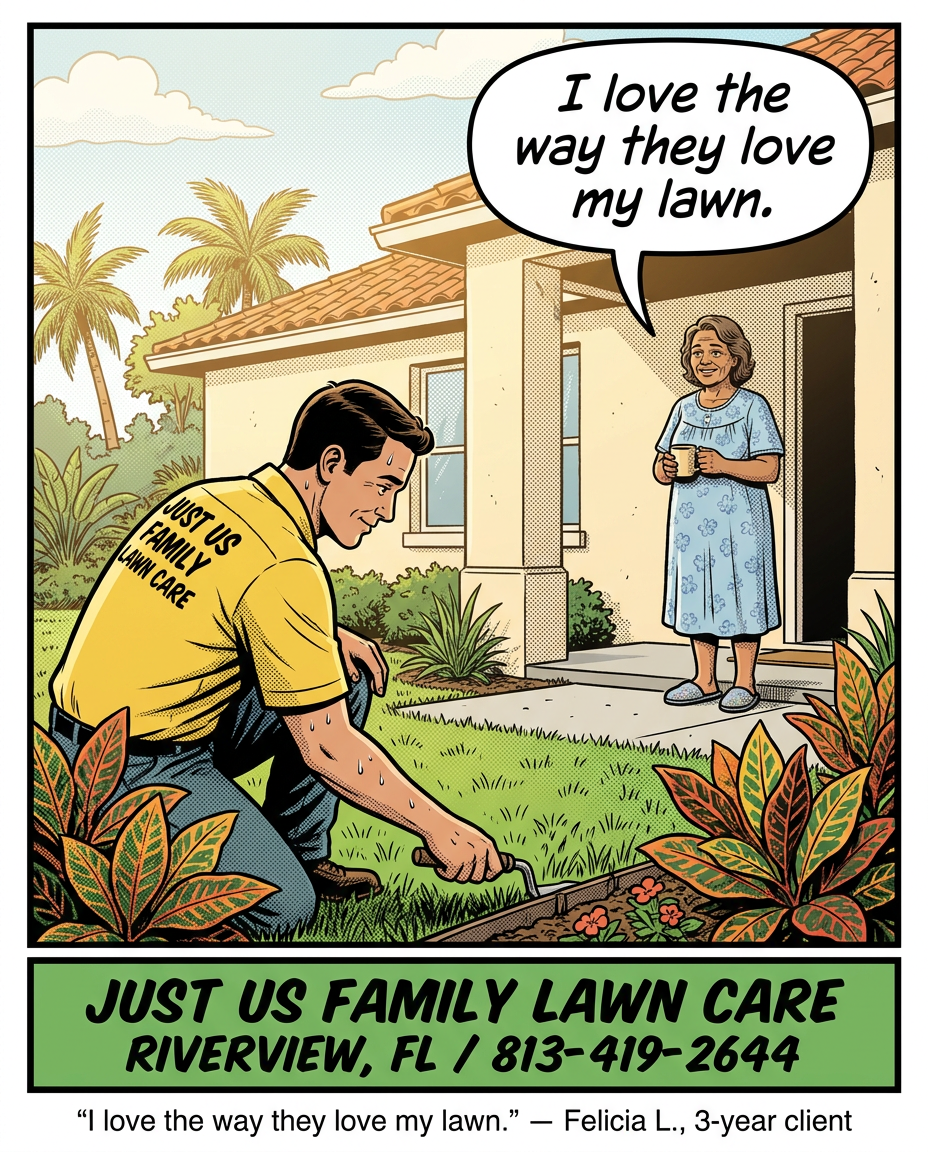
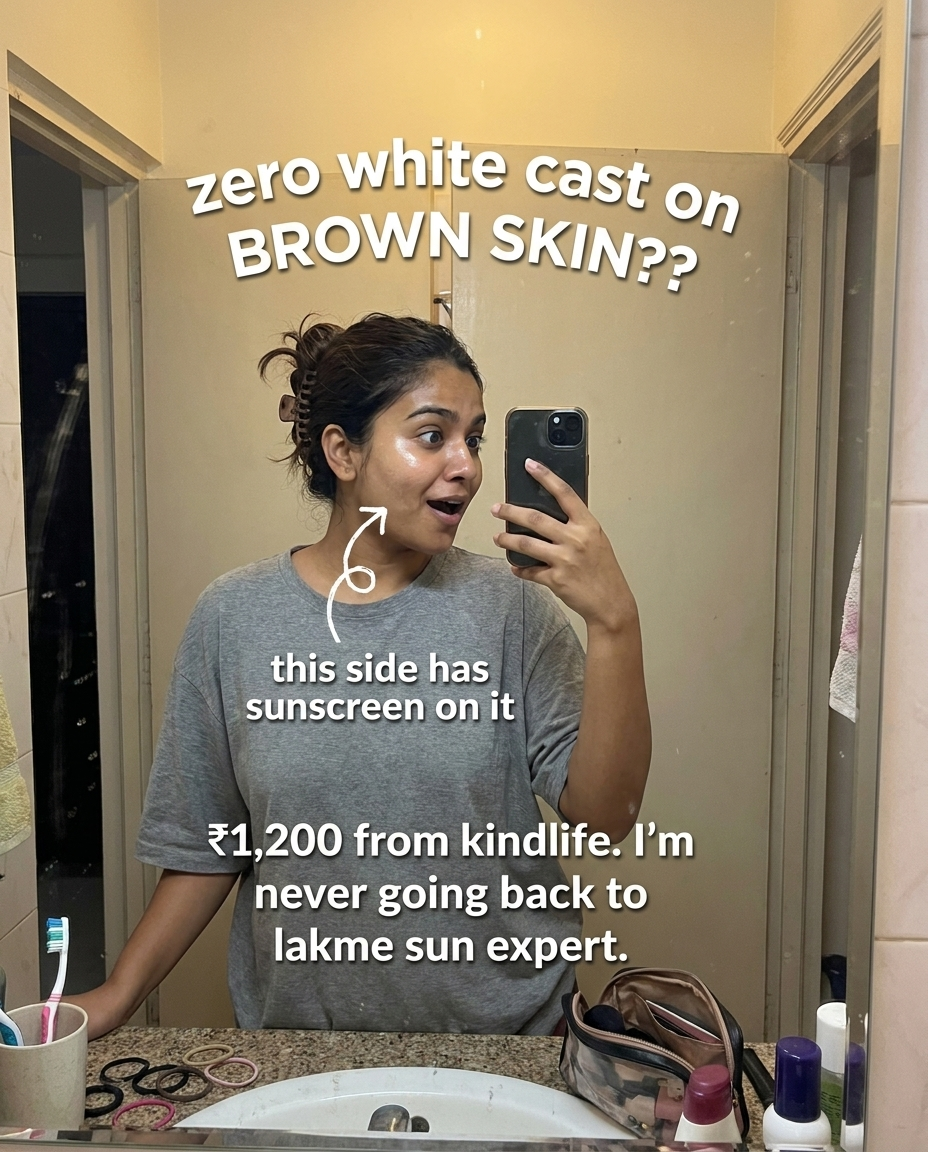
We built a set of native ads around that language: ads that read like stories, not pitches.
Then we built a presell page. An advertorial that explained why the problem existed before it mentioned the product. The mechanism came straight from the reviews: customers had already described, in their own words, why this product worked when others didn't. We just gave it a name and built the page around it.
Same product. Same budget. Same audience.
ROAS: 1.1 → 2.8 in 30 days
3.2 by day 60
We didn't change the product. Didn't change the spend. Didn't change the media buyer.
We changed what was behind every decision.
Gut feelings out. Customer psychology in.
At every layer. The ads. The pages. The positioning. The hooks.
All of it from the same place: what customers actually say, think, feel, and believe.

Ready to See What's Behind Your Creative?
Get a psychology-driven analysis of your funnel. No call, no pitch, just the insights.
Get Your Free Funnel Audit →Walters didn't need to win every bet.
He needed a small edge. Applied with discipline. Bet after bet after bet.
Your funnel works the same way.
You don't need a viral ad. You don't need a genius creative director. You don't need to test 50 hooks a month and pray.
You need to know why your customers buy.
And you need to build every ad, every page, and every piece of creative from that knowledge.
The gut feelings don't compound.
The research does.
Is This for You?
This isn't for everyone.
If you're spending under $10K a month on ads, this approach is overkill for where you are right now.
If you're selling a service, SaaS, or info product, we're probably not the right fit.
But if you're selling a physical product, supplements, skincare, food, home goods, pet, wellness, or similar, and you're spending $30K+ a month on paid traffic...
And your funnel feels more like a slot machine than an investment portfolio...
There's a good chance the problem isn't your creative.
It's what's behind your creative.
The Free Funnel Audit
We'll look at your current funnel: your ads, your pages, your positioning, and record a Loom walkthrough showing you:
- ✓Where the psychology gaps are. Which decisions are backed by research and which are backed by guesswork.
- ✓What your customers are actually saying the purchase triggers hiding in your reviews that nobody has built creative around yet.
- ✓What a native ad + presell page approach would look like for your specific product and audience.
- ✓A prioritized list of what to change first, across your ads AND your pages.
No call. No pitch. Just the analysis.
Get Your Psychology-Driven Funnel Audit
We'll analyze your ads, pages, and positioning, and show you exactly where the psychology gaps are.
Get Your Free Funnel Audit →No call required. Just a detailed Loom walkthrough of your funnel.
P.S.If your agency's answer to declining ROAS is always “we need more creative”, that's a symptom, not a strategy. More creative without better psychology is just more expensive guessing. Walters didn't win by placing more bets. He won by placing better ones.
P.P.S.We're Blue Bagels. Small DR creative agency. We build the ads, the presell pages, and the creative strategy that makes paid traffic actually convert, all rooted in customer psychology. Native ads, advertorial pages, VoC research, ad creative, full-funnel CRO. If you want to see what Walters-level research looks like applied to your funnel, the free audit is a good place to start.