
Funnel maps for DTC brands
Why the right page for the right buyer beats sending every ad to your product page.
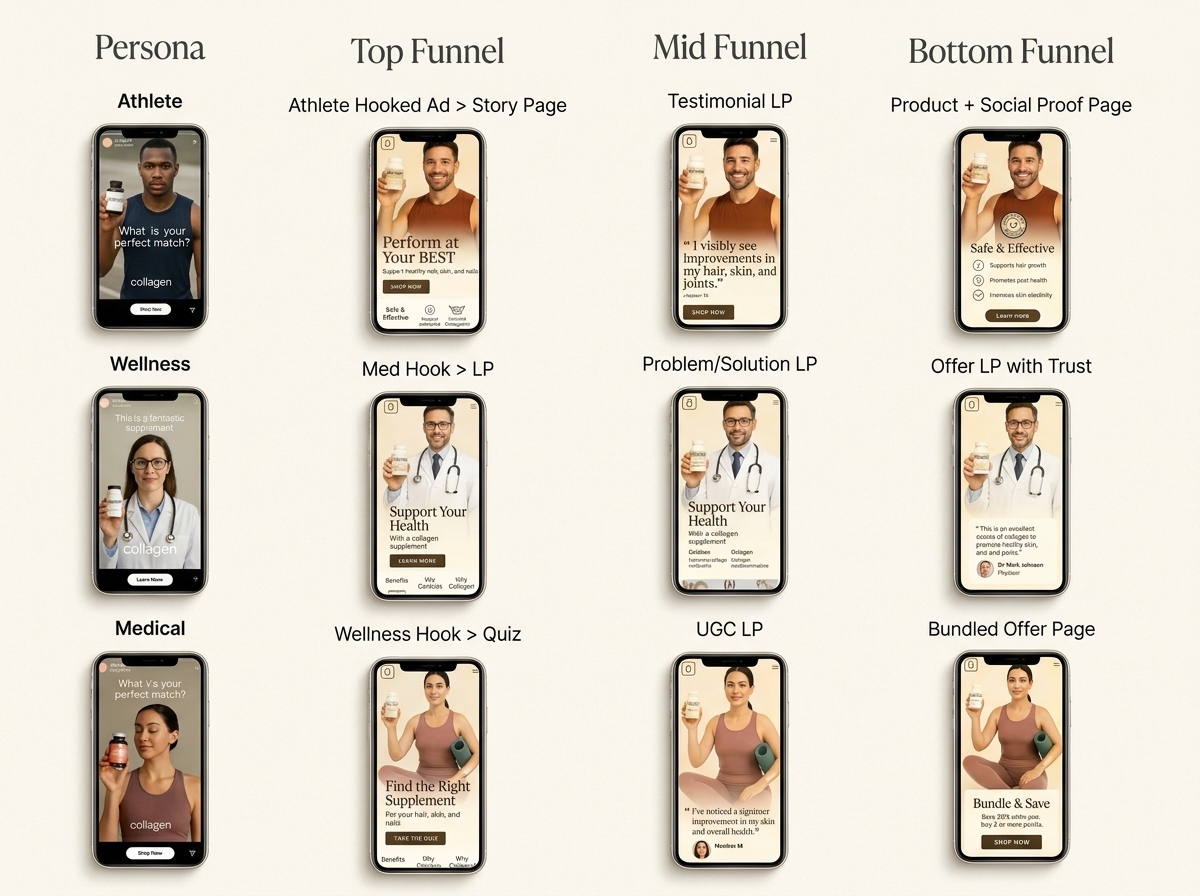
You already know landing pages work better than product pages. Let’s skip that part.
The real question is which page. An advertorial? A quiz? A full sales page? Or just the product page, like most brands default to? And it’s not the same answer for every brand, or every buyer.
That’s all a funnel map is: the right page for the right person, built around how your brand actually sells. Not a copy-paste template.
So here are 10 reasons getting your funnel map right matters for your brand.
$100M-plus optimized across 150-plus brands.
Reason 1 of 10
You’re problem-aware. You know your ads could convert better and you’re working out how. You’re not ready to be sold, you’re reading to decide.
That’s exactly why you’re on a page like this one, a listicle, and not a checkout page. Someone matched the page to where your head’s at. That’s the whole idea in one move, and it’s working on you as you read.

Reason 2 of 10
Different buyers need different pages. Someone who just discovered the problem needs a story. Someone comparing two brands needs a reason to pick you. Someone ready to buy just needs the offer and a button.
One page can’t be all three. Your product page tries to be, and ends up being none of them well.
%201.png)
Reason 3 of 10
Think about who actually converts on it: returning customers, people who searched your name. They showed up warm.
A cold stranger from an ad has none of that. Drop them on a spec sheet with a buy button and most of them leave. It’s why the same ad converts about half as well on a product page as it does on a page built for cold traffic.


Reason 4 of 10
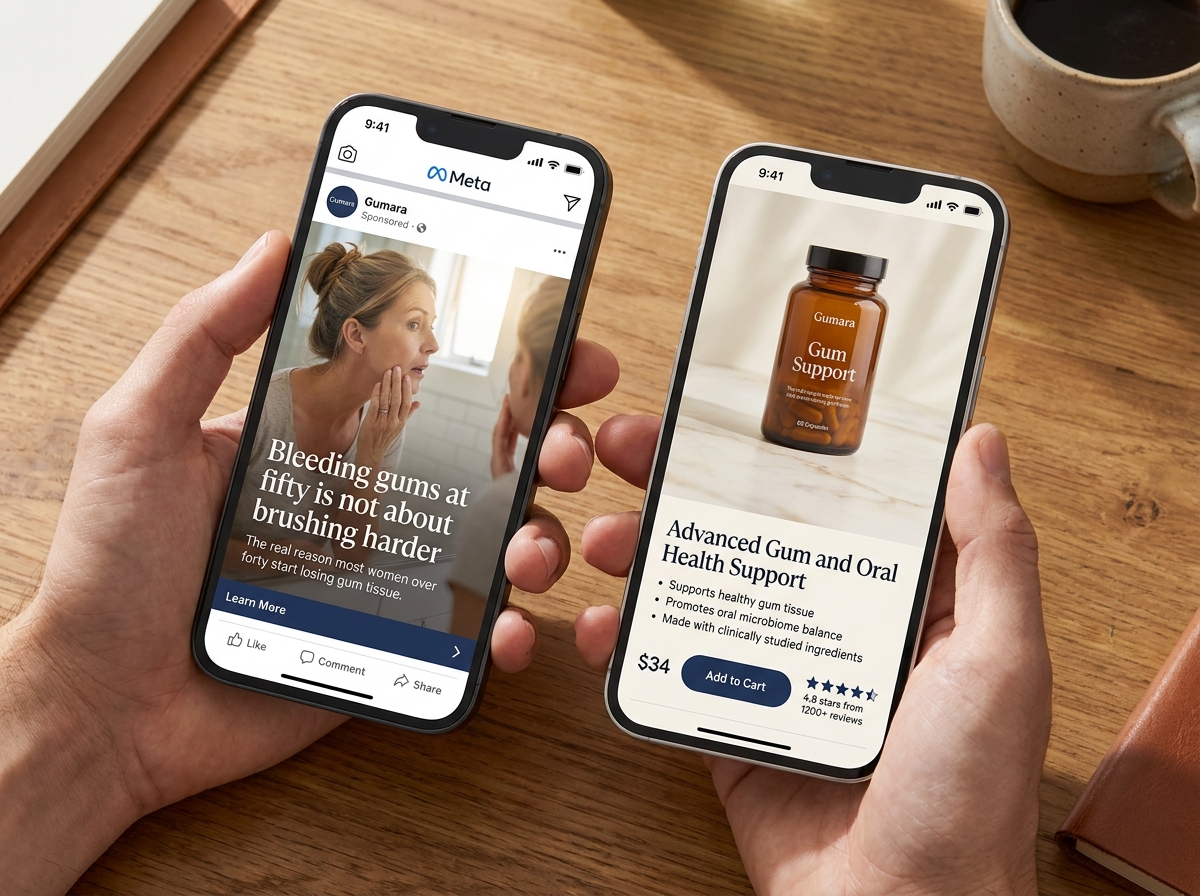
Say your ad speaks to a woman dealing with weight gain from menopause. She feels understood. She clicks. Then the page only talks about food cravings, with nothing about menopause anywhere on it. She’s confused, and she’s gone.
It’s a great first date followed by “so, my place?” Too much, too soon, no connection. The page has to pick up the exact conversation the ad started.
Reason 5 of 10
A 6-second ad can’t close anyone. All it can do is earn the click. The real work, showing the problem, proving the product, making the offer, happens after.
A product page doesn’t do that work. It lists features and waits for you to already be sold.

Reason 6 of 10
The funnel some skincare brand swears by on Twitter wasn’t built for your offer, your price, or your customer. Copy it and you’re just guessing with extra steps.
A map starts from how your brand actually sells, then picks the pages to match. That’s the difference between a funnel and a funnel that’s yours.

Reason 7 of 10
If the page doesn’t turn cold clicks into buyers, a bigger budget just buys you more people who leave. This isn’t a traffic problem. It’s a page problem, and you fix it on the page, not in the ad account.

Reason 8 of 10
Meta and Google both watch what happens after the click. When the page matches the ad, your relevance goes up and your cost per click comes down. So getting this right doesn’t just lift sales, it lowers what you pay to get the click in the first place.

Reason 9 of 10
This isn’t a one-shot bet. You launch a version, watch the numbers, keep what works, cut what doesn’t. A funnel gets better with data. That’s the opposite of putting your budget on a single page and hoping.

Reason 10 of 10
A boosted post is gone the day the budget runs out. A funnel that converts keeps working: put more spend in, get more customers out, predictably. That’s an asset, not an expense.

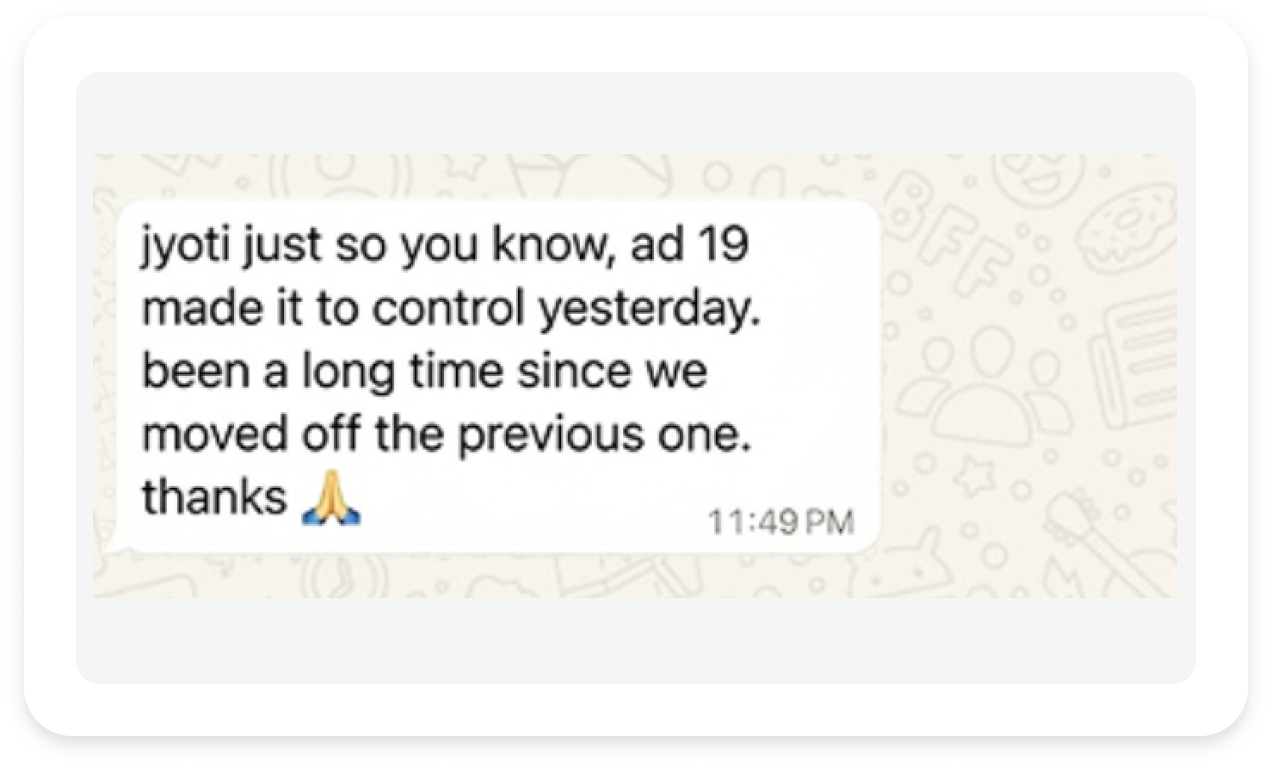

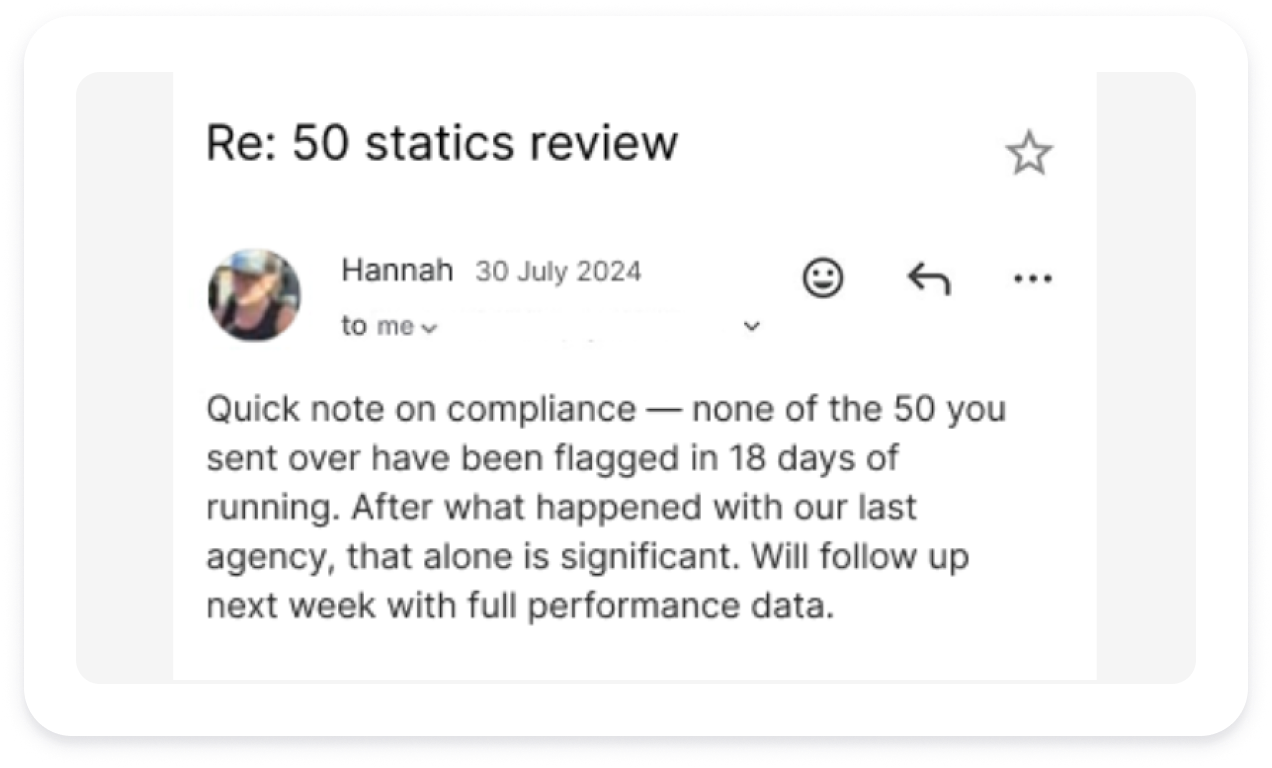
We’re Blue Bagels. We map funnels for DTC brands: the right page for each buyer, matched to how you actually sell. $100M-plus optimized across 150-plus brands doing exactly this.
Tell us your product, your offer, and where your traffic comes from. We’ll map the funnel we’d build for your brand, page by page, so you can see the whole path before you commit to anything.
No commitment. Just the map.